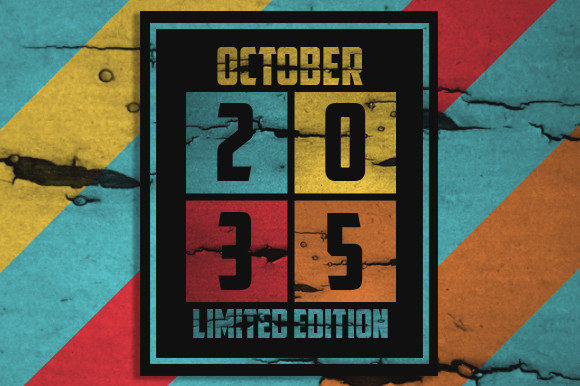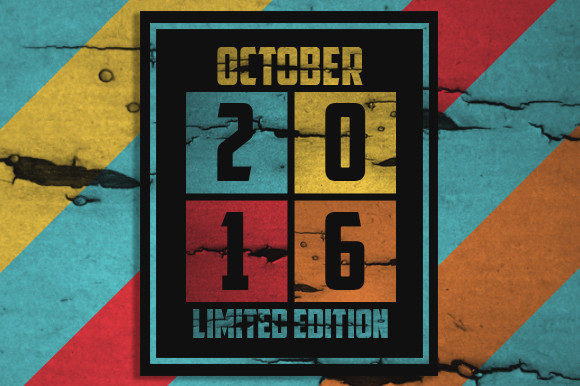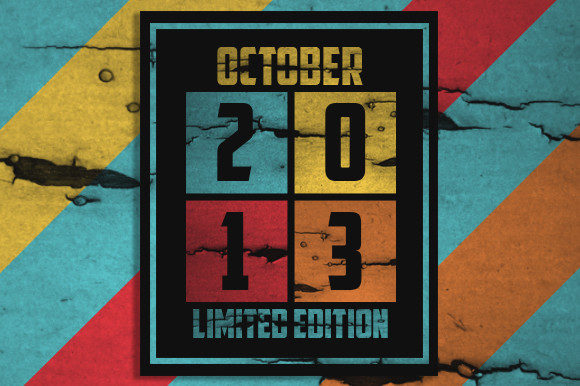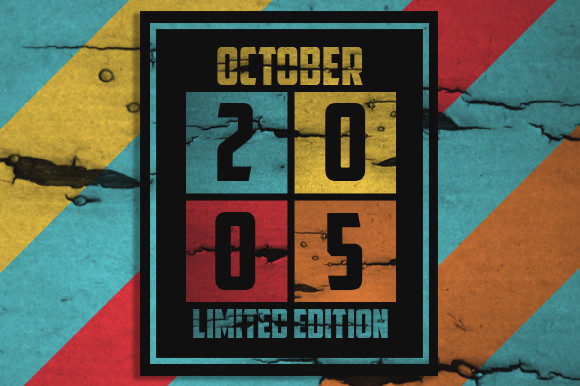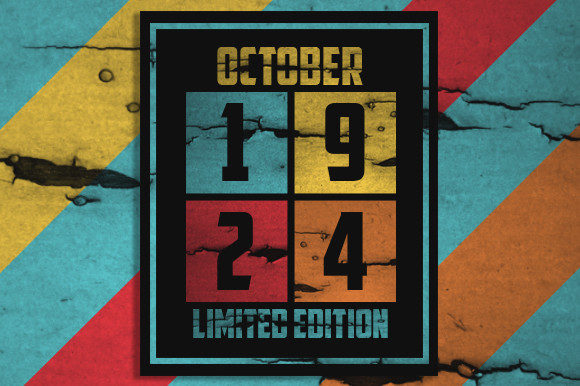
Retro October 1924 Limited Edition
First Impressions: A Nostalgic Design with Character
The Retro October 1924 Limited Edition immediately evokes a sense of vintage charm. The design feels like a piece of history, with its intricate details and classic layout. It’s not just a graphic—it’s a storytelling element that could bring a unique flair to any project. The visual personality is warm and inviting, making it ideal for items that aim to feel handmade or personalized.
The shape and theme suggest a timeless aesthetic, perfect for anything from apparel to home decor. The level of detail is impressive, especially for a digital file. It has the potential to stand out in a crowded market, but it also requires careful consideration when translating it into physical embroidery.
Real-World Use: Where It Shines and Where It Needs Care
When thinking about using Retro October 1924 Limited Edition on a custom embroidered tote bag, the design looks bold and eye-catching. It would work well as a statement piece, especially for a craft business looking to add a vintage touch to their product line. However, the design’s complexity might be a challenge on smaller hoop sizes. If you’re working with a limited hoop space, you may need to adjust the design or break it into sections.
On a sweatshirt or t-shirt, the design would look great, but the fabric texture matters. Thin or stretchy materials might make the stitching less defined. It’s important to use the right stabilizer to prevent puckering or distortion. For baby clothes, the design could be a lovely addition, but the small details need to be checked for clarity—especially if the final product will go through frequent washing.
The design also works well for embroidered patches, aprons, and caps. However, curved surfaces can be tricky. The corners and edges of the design may not sit perfectly on a cap’s curve, so testing on a mockup is essential. For holiday gifts or wedding gifts, Retro October 1924 Limited Edition could add a special touch, but the color contrast needs to be considered for different fabric backgrounds.
Design Performance: Stitching Clarity and Visual Appeal
As an embroidery designer, one of the first things I check is how a design translates into stitches. Retro October 1924 Limited Edition seems to have a good balance of satin stitch and fill stitch, which should result in a clean, professional look. However, the density of the stitches might be an issue on certain fabrics. If the design is too dense, it could cause stiffness or affect the comfort of the final product.
For small shop merchandise or Etsy listings, the design could add value by offering something unique. But it’s important to ensure that the finished product maintains its visual appeal. If the design is too busy, it might overwhelm the item it’s applied to. Testing on scrap fabric before committing to a full project is always a good idea.
Customer trust and brand consistency are key for any handmade product. Retro October 1924 Limited Edition has the potential to enhance both, provided it’s used appropriately. The design’s retro vibe aligns well with many niche markets, but it’s not a one-size-fits-all solution.
Practical Designer Notes: Things to Keep in Mind
Before using Retro October 1924 Limited Edition in your next embroidery project, here are some practical tips:
- Test on scrap fabric to see how the design looks in real life and how the stitches behave on your chosen material.
- Check thread color contrast to ensure the design stands out against the fabric background.
- Review stitch density to avoid issues with fabric stiffness or poor stitch definition.
- Confirm hoop size to make sure the design fits comfortably without being stretched or distorted.
- Inspect small details to ensure they remain clear and legible after stitching.
- Test in black and white mockups to see how the design appears without color.
- Compare light and dark fabric backgrounds to determine the best application scenarios.
- Use proper stabilizer to maintain the integrity of the design on different fabrics.
- Check licensing before selling finished items or digital products to avoid legal issues.
Best Fit: Projects That Benefit from Its Style
Retro October 1924 Limited Edition is best suited for projects that benefit from a vintage, handcrafted feel. It works well for custom apparel, such as tote bags or sweatshirts, where the design can be a focal point. It also has potential for baby items, like onesies or blankets, where the nostalgic style can add a personal touch.
For holiday or wedding gifts, the design could serve as a meaningful embellishment. It’s also a great option for embroidered patches or aprons, where the detailed look can stand out. However, it’s not ideal for every project. If the goal is minimalism or modern aesthetics, this design might not be the best fit.
As a digital product seller or Etsy shop owner, understanding where Retro October 1924 Limited Edition fits best can help you make informed decisions about your product offerings. It’s a versatile design, but its success depends on how it’s applied and presented.
Final Thoughts: A Design with Potential, But With Caveats
Retro October 1924 Limited Edition is a design that brings character and nostalgia to any project. It has the potential to elevate handmade products, personalize gifts, and add a unique touch to commercial embroidery. However, it requires careful consideration when translating it from a digital file to a physical finished product.
For embroidery designers, small business owners, and crafters, this design offers creative possibilities—but it also demands attention to detail. By following best practices and testing the design thoroughly, you can ensure it meets the quality and professionalism expected by your customers.