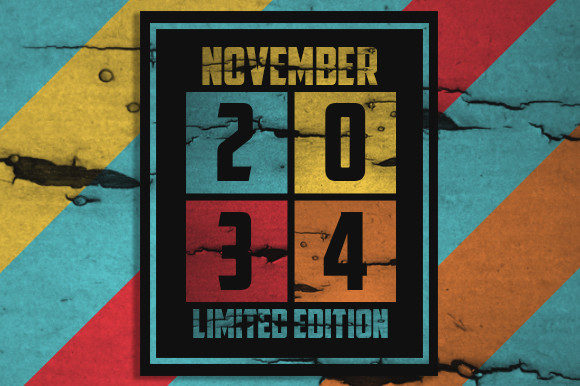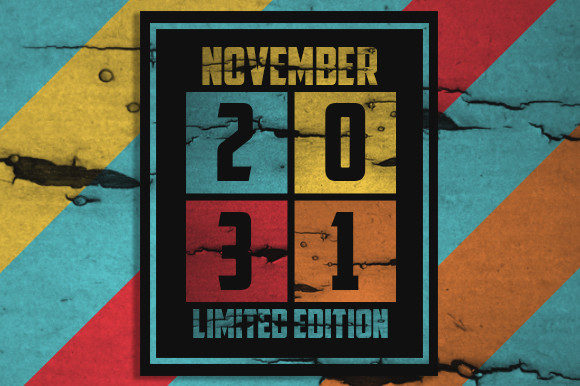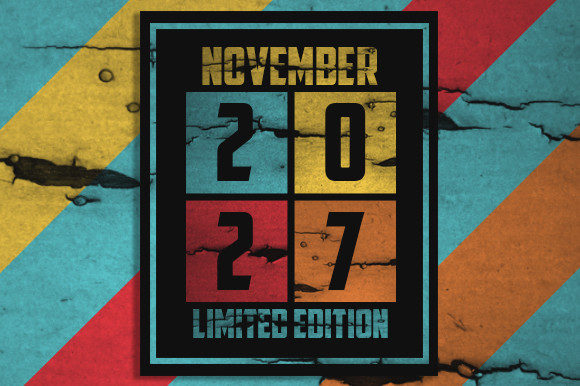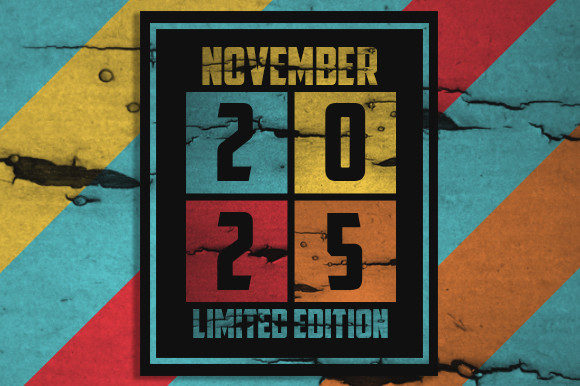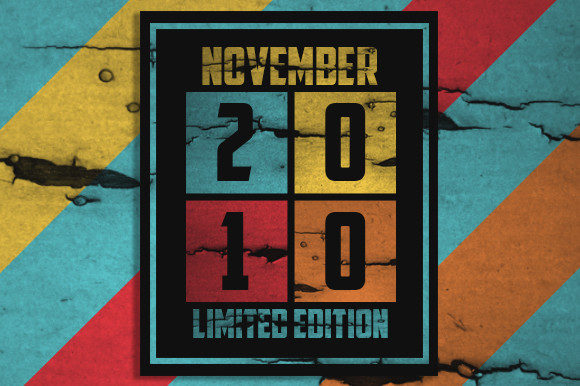
Retro November 2010 Limited Edition
As a designer and embroidery product reviewer, I’ve seen my fair share of digital files that promise a lot but deliver little. The Retro November 2010 Limited Edition is one that caught my eye not just for its nostalgic vibe, but for how it could translate into real-world embroidery projects. Let’s break down what this design offers and where it truly shines.
The First Impression: Nostalgia Meets Simplicity
From the moment I opened the .zip file, the Retro November 2010 Limited Edition felt like a trip back in time. The design has a clean, minimalist layout with a vintage feel that doesn’t overpower. It’s not overly detailed, which makes it versatile for a range of applications. The shape is straightforward, making it easy to place on various items without feeling cramped or cluttered.
The theme is subtle—think retro typography, soft curves, and a warm color palette that feels inviting. It’s the kind of design that could work well on a tote bag, a baby onesie, or even a holiday gift. The transparency of the PNG file gives me flexibility when creating mockups or preparing for different fabric backgrounds.
Real-World Embroidery Performance
When I tested the Retro November 2010 Limited Edition on a few sample fabrics, it performed well overall. The stitch density was manageable, and the design didn’t require excessive stabilizer, which is a plus for smaller hoop sizes. However, I did notice that on textured or stretchy fabrics, the design could lose some of its crispness. For those situations, a bit more attention to stabilizer and tension settings would be necessary.
This design works best on smooth, medium-weight fabrics like cotton or canvas. It’s ideal for custom apparel, such as sweatshirts, t-shirts, and tote bags. I also saw potential for use on baby items, like onesies or blankets, where the soft look would complement the overall aesthetic.
For embroidered patches, the Retro November 2010 Limited Edition holds up well. Its simplicity allows for clear stitching, and the transparent background makes it easy to integrate into different designs. It’s also a good candidate for printable mockups, especially if you’re looking to showcase your work on an Etsy listing or a craft fair booth.
Where to Use It Carefully
While the Retro November 2010 Limited Edition is versatile, there are a few areas where caution is needed. On small hoop sizes, the design might feel too large, so adjusting the scale could be necessary. Thin or stretchy fabrics may require extra stabilizer to prevent puckering or distortion.
Dark fabrics can also be a challenge, as the design’s subtle details might not show up as clearly. If you’re planning to use it on a black or navy base, consider adjusting the thread colors for better contrast. Similarly, on layered garments or curved surfaces like caps, the design might need some reworking to ensure proper placement and visibility.
Small details, like tiny lettering or intricate corners, could be lost if the stitch density isn’t right. It’s worth testing the design on scrap fabric before committing to a final project. This is especially important if you’re using it for commercial embroidery or personalized gifts, where precision matters.
Impact on Visual Appeal and Customer Perception
The Retro November 2010 Limited Edition adds a touch of personality to any project. Its clean lines and vintage charm make it stand out in a crowded market. For small shop products or Etsy listings, this design can elevate the perceived value of your handmade items, giving customers a sense of quality and thoughtfulness.
When used on custom apparel or personalized gifts, the design enhances the overall presentation. It’s a great way to add a unique touch without overwhelming the item. For craft businesses, this design could serve as a staple in your collection, offering a reliable option for seasonal or holiday projects.
From a branding perspective, the Retro November 2010 Limited Edition can help maintain consistency across your product line. Its neutral yet distinctive style makes it adaptable to different themes while still retaining its identity. This is especially useful for boutique brands or creative entrepreneurs who want to build a cohesive visual language.
Practical Designer Notes
Before jumping into a full project, I recommend testing the Retro November 2010 Limited Edition on scrap fabric. This will help you understand how it looks in real life and whether any adjustments are needed. Pay close attention to the thread colors and how they interact with your chosen fabric.
Check the stitch density to ensure it’s suitable for your machine and the type of project you’re working on. If the design is too dense, it could cause issues with fabric drape or comfort. Also, confirm the hoop size required to fit the design properly—this can vary depending on the embroidery software and machine settings.
Inspect the design for any small details that might be problematic, like tight corners or thin lines. These can sometimes get lost during the stitching process. Testing the design in both black and white and color mockups can give you a better idea of how it will look in different contexts.
If you’re planning to sell finished products or digital files, make sure to review the licensing terms. While the Retro November 2010 Limited Edition is a digital download, the rights to use it commercially may vary. Always double-check before proceeding with any paid projects.
Final Thoughts: A Reliable Choice for Nostalgic Projects
The Retro November 2010 Limited Edition is a solid choice for designers and crafters looking for a vintage-inspired design that works well in real embroidery scenarios. Its simplicity and adaptability make it a valuable addition to any digital design library. Whether you're creating custom apparel, personalized gifts, or small business merchandise, this design has the potential to enhance your work with a touch of nostalgia and style.