Retro November 2003 Limited Edition
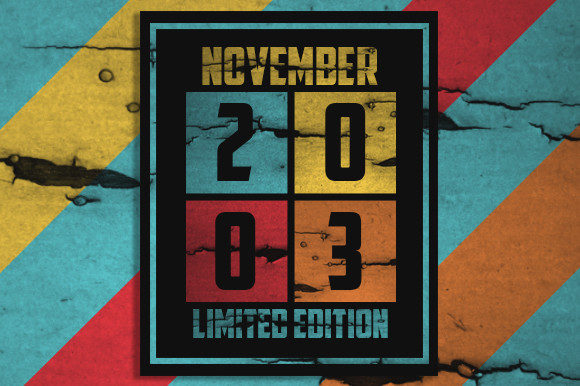
The Retro November 2003 Limited Edition is a nostalgic design that brings back the essence of early 2000s aesthetics. With its vintage feel and clean layout, it’s ideal for embroidery projects that aim to evoke a sense of nostalgia or retro charm. The design features a simple yet striking composition that works well on a variety of fabrics and items, making it a versatile choice for crafters and small business owners alike.
First Impressions: A Design That Speaks Volumes
From the moment you open the Retro November 2003 Limited Edition file, it’s clear this is a design with personality. The layout is balanced, with a central motif that commands attention without overwhelming the space. The use of negative space gives it a modern edge while still maintaining a classic vibe. This makes it perfect for projects that need to stand out without being too busy.
The design’s theme is straightforward—nostalgia meets simplicity. It doesn’t try to be anything more than what it is, which is refreshing in a world of overly complex embroidery files. The visual personality is clean and confident, making it easy to integrate into a range of handmade products or commercial designs.
Real-World Use Cases: Where Does It Shine?
Imagine a custom embroidered tote bag for a boutique shop. The Retro November 2003 Limited Edition would look great on a cotton canvas tote, adding a touch of personality without being too flashy. It also works well on sweatshirts, especially for a casual, laid-back brand aesthetic. For baby items, like onesies or blankets, the design offers a subtle, timeless appeal that parents might appreciate.
This design is also a strong candidate for embroidered patches, especially for DIY enthusiasts or small businesses looking to create custom apparel. Its simplicity allows it to be easily adapted to different sizes and formats, making it a flexible option for various embroidery projects.
When used on caps or hats, the Retro November 2003 Limited Edition maintains its clarity, though care should be taken with curved surfaces. It also translates well to pillow covers, tea towels, and other home decor items, where its clean lines and retro feel can add a unique touch.
Where to Be Cautious: Potential Pitfalls
While the Retro November 2003 Limited Edition is a solid design, there are some scenarios where it may not perform as well. On small hoop sizes, the detail might get lost, so it’s best to use it on larger hoops if possible. Textured or stretchy fabrics could also pose challenges, as the design’s clarity might be affected by fabric movement or uneven surfaces.
On dark fabrics, the design may appear less prominent, depending on the thread colors used. It’s important to test the design on different fabric types before committing to a large batch. Tiny lettering or intricate details could also be problematic if the stitch density is too high, leading to potential puckering or distortion.
For layered garments or products that require frequent washing, the design’s durability should be considered. Proper stabilizer use and correct stitching techniques will help ensure the design holds up over time.
Visual Appeal and Customer Perception
The Retro November 2003 Limited Edition has a strong visual appeal that can elevate the perceived value of any handmade product. Its clean lines and nostalgic theme make it instantly recognizable, which can help build brand consistency for Etsy sellers or small shop owners. Customers often respond positively to designs that have a story or a unique aesthetic, and this one delivers on both fronts.
When used in personalized gifts or holiday items, the design adds a level of thoughtfulness that can increase customer satisfaction. It also works well in commercial embroidery projects where a consistent, professional look is needed. The design’s simplicity ensures it remains relevant across different seasons and trends.
Practical Designer Notes: What to Check Before Using
Before using the Retro November 2003 Limited Edition in your next project, there are several practical steps to take. First, test the design on scrap fabric to see how it looks in real life. This helps identify any issues with stitch density, thread color contrast, or fabric compatibility.
Review the stitch density to ensure it’s appropriate for the fabric you’re using. If the design is too dense, it may cause puckering or affect the fabric’s drape. Confirm the hoop size required for the design and make sure your machine can accommodate it. Inspect small details closely, as they can sometimes be lost during the embroidery process.
Test the design in black and white mockups to see how it appears without color. This can help determine if it works well on both light and dark backgrounds. Use the proper stabilizer for the fabric type to prevent shifting or distortion. Finally, check whether the design is suitable for both personal and commercial use, and confirm the licensing terms before selling finished items or digital products.
Final Thoughts: A Design Worth Considering
The Retro November 2003 Limited Edition is a design that balances nostalgia with practicality. It’s well-suited for a wide range of embroidery projects, from custom apparel to home decor, and offers a clean, versatile look that can fit into many creative ventures. While it requires some careful consideration in certain applications, its strengths make it a valuable addition to any designer’s toolkit.
Whether you're an Etsy seller, a craft business owner, or a hobbyist looking to expand your product line, the Retro November 2003 Limited Edition is worth exploring. Its ability to blend style with function makes it a reliable choice for those who want to create meaningful, visually appealing embroidered products.