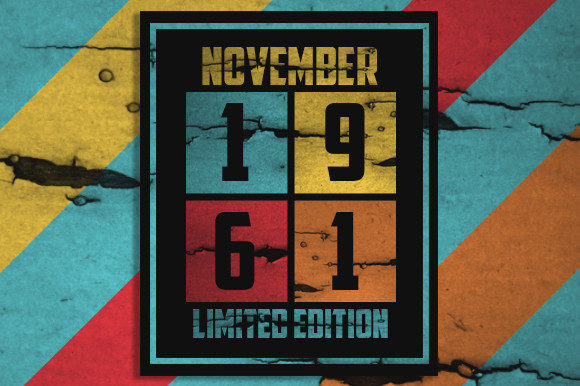
Retro November 1961 Limited Edition
As a designer and embroidery product reviewer, I’ve seen my fair share of digital files. But when I came across the Retro November 1961 Limited Edition, it immediately caught my attention. This is more than just a design—it’s a mood, a memory, and a potential centerpiece for a variety of handmade and commercial projects. Let’s break down what this file offers and how it might fit into your creative workflow.
The First Impression: A Nostalgic Visual Statement
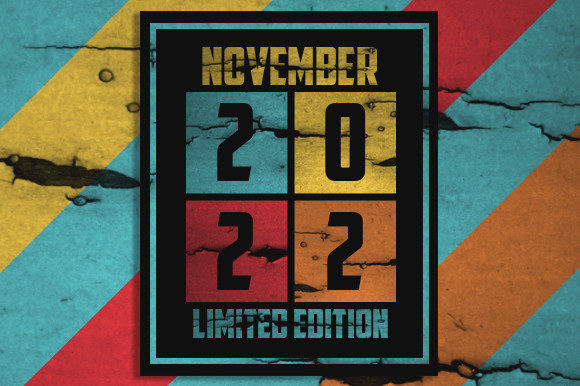
The Retro November 1961 Limited Edition carries a vintage aesthetic that feels authentic. The layout is clean but layered with subtle details that evoke a bygone era. It’s not overly complex, but it has enough character to stand out on its own. The theme is clearly rooted in nostalgia—think retro typography, classic shapes, and a muted color palette that hints at mid-century design.
This design would naturally lend itself to custom apparel, baby items, or holiday gifts. Its visual personality suggests something timeless, which makes it ideal for products that aim to feel handcrafted and meaningful. The high-resolution PNG file with a transparent background gives it flexibility for mockups, but it also means you’ll need to consider how it translates to actual stitching.
Real-World Embroidery Use Cases
When evaluating an embroidery design, I always think about how it will look after being stitched. The Retro November 1961 Limited Edition works well on flat surfaces like tote bags, sweatshirts, and aprons. Its composition allows for clear stitching without too much complexity. However, it’s not the best choice for curved surfaces like caps or hats, where the design might stretch or distort slightly.
For small business owners and Etsy sellers, this could be a strong addition to your product lineup. It’s perfect for personalized gifts, especially those with a nostalgic or vintage angle. Imagine using it on a baby onesie, a holiday pillow, or a custom patch for a jacket. The design’s simplicity makes it adaptable, but it also requires careful execution to maintain its visual appeal.
Where to Be Cautious
There are a few areas where the Retro November 1961 Limited Edition may require extra attention. If you’re working with small hoop sizes, this design might be too large to fit comfortably. Similarly, if you’re planning to stitch it onto textured fabrics, thin materials, or stretchy garments, you’ll want to test it first. The design’s detail level could get lost on dark fabrics, so it’s worth checking thread color contrast before committing.
Dense stitch areas and tiny lettering can be tricky. If the design includes intricate elements, you’ll need to ensure that your machine can handle the stitch density without causing puckering or distortion. For embroidered patches or applique designs, this file could work, but you’ll need to adjust stabilizer use and hoop size accordingly.
Impact on Visual Appeal and Customer Perception
One of the most important aspects of any embroidery design is how it affects the finished product. The Retro November 1961 Limited Edition has a clean, professional look that can elevate your handmade products. It adds a sense of authenticity and craftsmanship that customers often appreciate, especially when it comes to personalized gifts or boutique merchandise.
From a branding perspective, this design could help reinforce a consistent aesthetic for your craft business. It’s versatile enough to fit into multiple product lines, from seasonal items to everyday wear. However, it’s important to remember that the success of any design depends on how well it’s executed. Poor stitching or improper fabric selection can quickly diminish its visual impact.
Practical Designer Notes
Before jumping into a full project, I always recommend testing the design on scrap fabric. This helps you see how the stitches translate and whether the colors pop as expected. You should also review the stitch density and make sure it aligns with the fabric type you plan to use.
If you’re using this design for commercial purposes, check the licensing terms carefully. While the file is digital, you’ll want to confirm whether you can sell finished items or resell the design. For small shop products, this could be a valuable asset, but it’s essential to understand the boundaries of use.
Lastly, don’t overlook the importance of proper stabilizer. Depending on the fabric, you may need to add extra support to prevent puckering or distortion. And if you’re creating printable mockups, this design could serve as a strong visual asset for your digital product previews.
Final Thoughts: A Design Worth Considering
The Retro November 1961 Limited Edition is a solid choice for designers looking for a vintage-inspired embroidery file. It’s well-suited for a range of applications, from custom apparel to personalized gifts. While it has some limitations in certain scenarios, its overall quality and aesthetic make it a worthwhile addition to any embroidery project.
Whether you’re an experienced embroiderer or just starting out, this design offers a blend of style and practicality. Just remember to test it thoroughly and consider how it fits into your specific workflow and product offerings. With the right approach, it can become a key element in your creative toolkit.