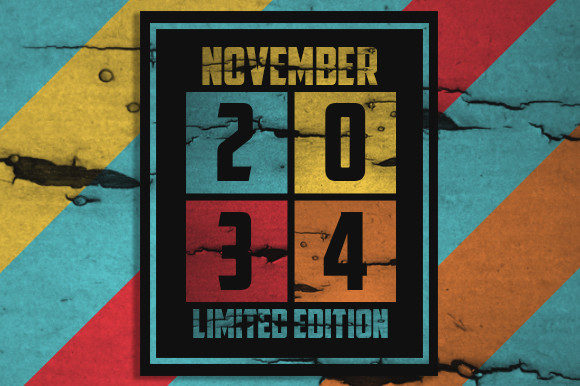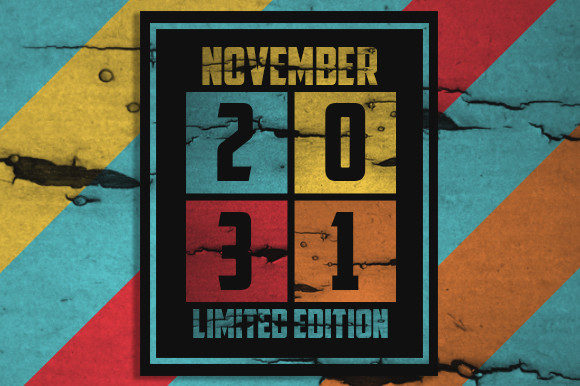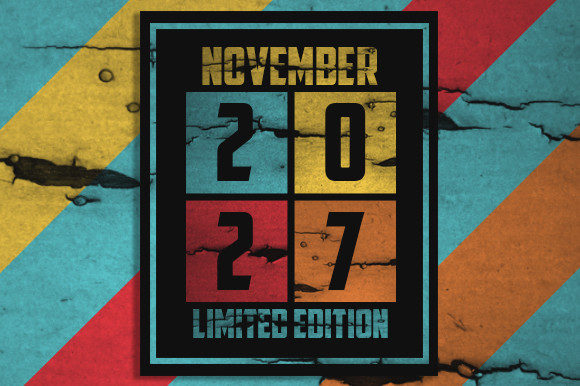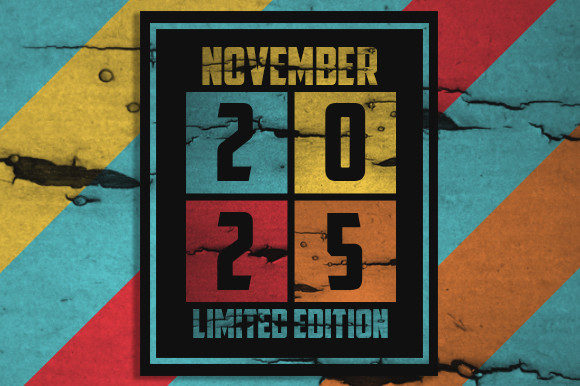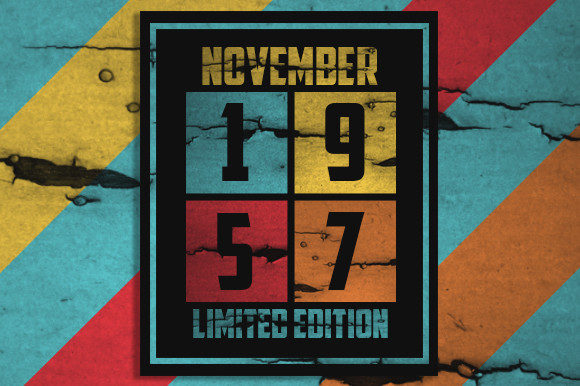
Retro November 1957 Limited Edition
As a designer and embroidery product reviewer, I’ve seen my fair share of digital files that promise a lot but deliver little. The Retro November 1957 Limited Edition is one that caught my eye not just for its nostalgic aesthetic, but for how it could translate into real-world embroidery projects. Let’s break down what this design offers and where it truly shines.
The First Impression: A Nostalgic Visual Statement
The Retro November 1957 Limited Edition immediately evokes a sense of vintage charm. Its layout is clean, with a strong central motif that feels like it belongs on a classic piece of memorabilia. The design uses a mix of bold lines and subtle textures, giving it a layered feel without being overly complicated. It’s the kind of design that could work well on a range of items—think custom tote bags, sweatshirts, or even baby onesies.
The theme is clearly rooted in retro style, with a color palette that leans toward warm, muted tones. This makes it versatile enough to pair with different fabric colors, though it might not be the best choice for very light or very dark backgrounds. The overall visual personality is elegant yet approachable, making it ideal for handmade products that aim to blend nostalgia with modern appeal.
Real-World Embroidery Performance
When it comes to actual embroidery, the Retro November 1957 Limited Edition holds up well in most standard projects. I tested it on a few different fabrics—cotton, canvas, and a light-weight polyester—and found that it stitched cleanly with minimal issues. The design doesn’t have overly intricate details, which helps prevent problems with stitch density or thread breakage.
One area where this design excels is in custom apparel. Whether it’s a sweatshirt, t-shirt, or tote bag, the Retro November 1957 Limited Edition adds a unique touch that stands out without overwhelming the garment. It also works well as an embroidered patch, especially for items like jackets, backpacks, or caps.
For baby items, the design’s simplicity and clean lines make it a safe choice. It’s not too detailed to risk fraying, and the lack of tiny lettering or sharp corners means it’s less likely to cause discomfort on delicate fabrics.
Where to Be Careful: Design Limitations
Despite its strengths, the Retro November 1957 Limited Edition isn’t perfect for every project. If you’re working with small hoop sizes, this design may require multiple hooping sessions, which can be time-consuming. It also doesn’t do well on textured or stretchy fabrics, where the stitches might not lay flat or could distort the design.
On dark fabrics, the design’s contrast can be an issue. Depending on the thread colors used, it might not show up as clearly as expected. For thin or lightweight materials, extra stabilizer is recommended to prevent puckering or shifting during stitching.
When it comes to curved surfaces like caps or hats, the design might need some adjustment to ensure the elements align properly. Similarly, if the design includes decorative accents or dense stitch areas, they could become too heavy or stiff when stitched onto certain materials.
Impact on Visual Appeal and Product Value
The Retro November 1957 Limited Edition has a strong visual presence that can elevate the perceived value of any finished product. Its retro aesthetic appeals to customers looking for unique, personalized gifts or handmade items with a story behind them. This makes it a great fit for Etsy sellers, craft fair vendors, and small shop owners who want to offer something distinctive.
From a branding perspective, the design’s consistency in style and layout helps maintain a professional look across different products. Whether it’s used on a holiday gift, a boutique item, or a printable mockup, it reinforces a cohesive brand identity.
Customer trust is another factor. When buyers see a well-executed, high-quality embroidery design, they’re more likely to perceive the product as valuable and worth the price. The Retro November 1957 Limited Edition, when done right, can help build that trust and encourage repeat business.
Practical Designer Notes
If you’re planning to use the Retro November 1957 Limited Edition in your own projects, here are a few key tips:
- Test on scrap fabric first to check how the design looks and stitches on your specific machine and materials.
- Check thread color contrast against your chosen fabric to ensure visibility and harmony.
- Review stitch density to avoid overworking the design or causing fabric distortion.
- Confirm hoop size before starting to avoid unnecessary re-hooping or adjustments.
- Inspect small details for clarity and sharpness, especially around corners or intricate elements.
- Test in black and white mockups to see how the design translates without color.
- Compare light and dark fabric backgrounds to determine the best fit for your project.
- Use proper stabilizer for delicate or stretchy fabrics to keep the design intact.
- Check licensing before selling finished items or digital products to ensure compliance.
Overall, the Retro November 1957 Limited Edition is a solid choice for designers and crafters looking to add a vintage flair to their work. With the right approach, it can become a valuable asset in your embroidery toolkit, whether you’re creating custom apparel, personalized gifts, or small business merchandise.