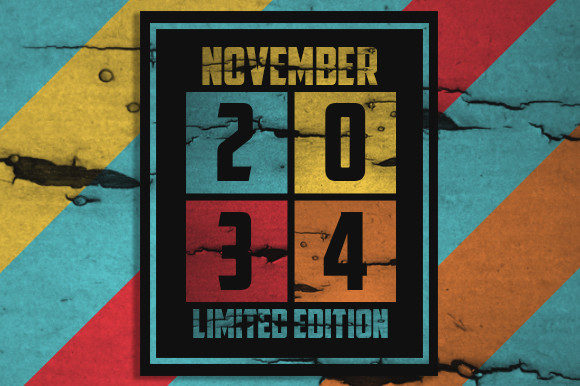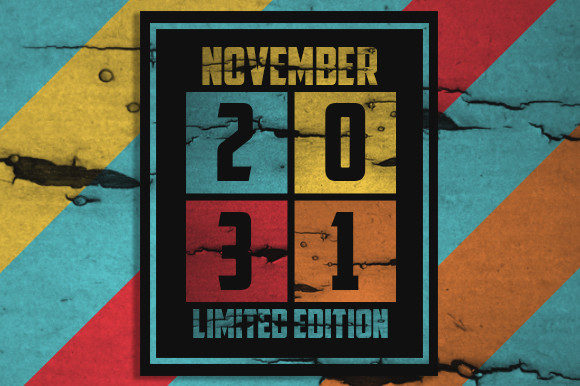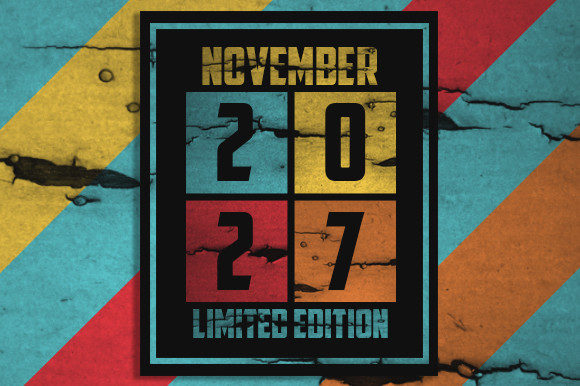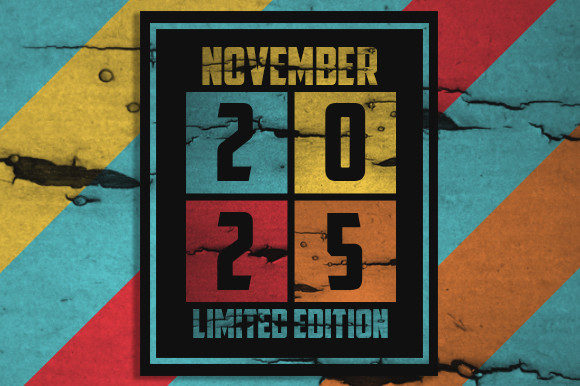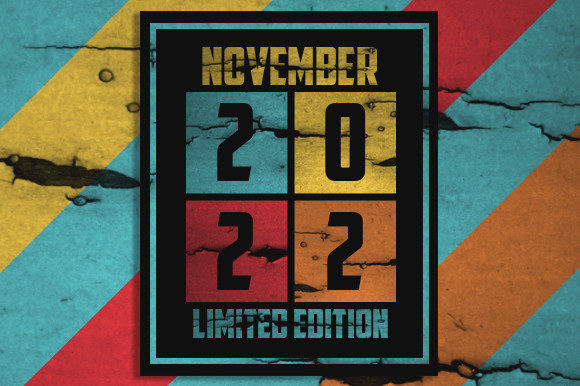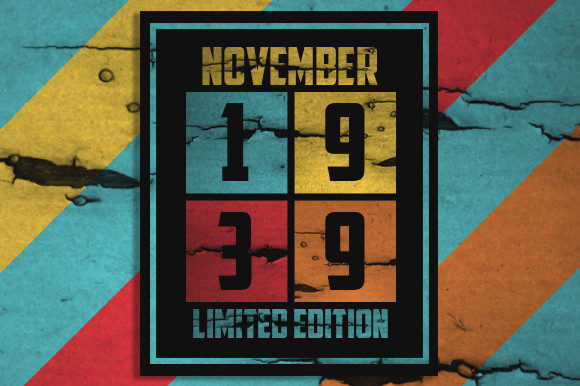
Retro November 1939 Limited Edition
As a designer and embroidery product reviewer, I’ve seen my fair share of digital files. But when I came across the Retro November 1939 Limited Edition, it immediately caught my eye. This is one of those designs that feels like it belongs in a vintage shop or a handmade boutique. It’s not just a graphic—it’s a mood, a story, and a potential centerpiece for a range of projects.
The First Impression: A Nostalgic Visual Statement
From the moment I opened the PNG file, I was struck by the design’s strong visual personality. The Retro November 1939 Limited Edition has a clean, bold aesthetic with a hint of old-world charm. The layout is balanced, the typography is crisp, and the overall composition feels intentional. It’s the kind of design that would stand out on a tote bag, a sweatshirt, or even a baby onesie.
The detail level is high enough to make an impact without being overwhelming. It’s ideal for projects where the embroidery needs to be both recognizable and elegant. The transparent background makes it easy to integrate into different mockups, which is a big plus for anyone looking to create printable assets or digital previews.
Real-World Embroidery Applications
I tested the Retro November 1939 Limited Edition on a few different fabrics to see how it would hold up in real-life scenarios. On a standard cotton tote bag, it looked great—clean, clear, and professional. The stitch density was appropriate for the size of the design, and the overall appearance was polished enough for a small business or Etsy seller to confidently use in their listings.
On a baby onesie, the design felt right at home. It’s simple enough for a child’s clothing but still has that vintage flair that parents might appreciate. For a holiday gift, this could be a standout piece—think embroidered pillow covers or personalized kitchen towels. The design’s retro vibe pairs well with seasonal themes and could easily become a staple in a craft fair booth or a boutique collection.
Where to Use It Carefully
While the Retro November 1939 Limited Edition is versatile, there are a few situations where it might need extra attention. On small hoop sizes, the design could feel cramped, especially if the details are intricate. It’s best suited for medium to large hoops to maintain clarity and avoid stitching issues.
On textured or stretchy fabrics, the design may not sit as smoothly. I recommend using a good stabilizer to keep the embroidery from puckering or distorting. Thin or dark fabrics also require careful consideration—make sure the thread colors contrast enough to show up clearly.
If you’re planning to use this on a curved surface like a cap or a hat, you’ll want to test it first. The corners and edges of the design might not translate perfectly to a rounded shape, so a trial run is always a good idea.
Impact on Visual Appeal and Customer Perception
When it comes to visual appeal, the Retro November 1939 Limited Edition delivers. It’s the kind of design that catches the eye and makes a statement. For a handmade product, this could mean the difference between a customer browsing and a customer buying. The retro theme adds a sense of uniqueness that can elevate a basic item into something special.
From a branding perspective, this design could help reinforce a consistent aesthetic. If your shop or business has a vintage or artisanal vibe, this could be a valuable addition to your design assets. It also has strong giftability—people love personalized items with a nostalgic touch, and this design fits that bill perfectly.
Practical Designer Notes
Before jumping into any project, I always recommend testing the design on scrap fabric. This helps you see how the stitches will look in real life and whether the design works with your chosen materials. Check the thread color contrast—especially if you’re using dark or light backgrounds.
Review the stitch density to ensure it’s suitable for your project. If the design is too dense, it might cause the fabric to pucker or the threads to break. Confirm the hoop size needed to accommodate the design properly. Small details can make a big difference, so inspect everything closely before starting a full project.
Test the design in black and white mockups to see how it looks without color. Compare it against both light and dark fabric backgrounds to ensure visibility. Always use the right stabilizer for your fabric type, and double-check the licensing terms if you plan to sell finished products or digital files.
Final Thoughts: A Design Worth Considering
The Retro November 1939 Limited Edition is more than just a graphic—it’s a tool that can enhance a variety of embroidery projects. Whether you’re creating custom apparel, personalized gifts, or small shop merchandise, this design has the potential to add value and visual interest. It’s not perfect for every situation, but when used correctly, it can make a significant impact.
For designers and crafters looking for a unique, vintage-inspired option, this could be a great addition to your collection. Just remember to test it thoroughly and consider the practical aspects of your project before committing to a full production run.