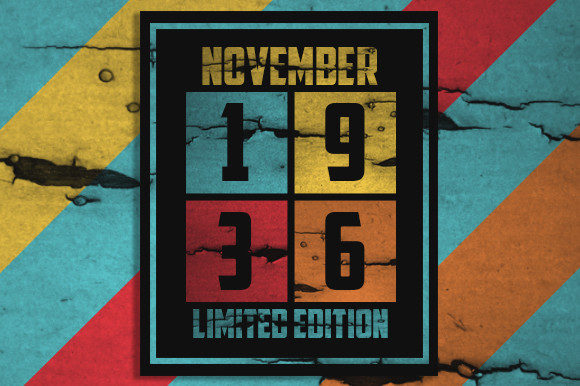
Retro November 1936 Limited Edition
As a designer and embroidery product reviewer, I’ve seen my fair share of digital files. But when I came across the Retro November 1936 Limited Edition, it immediately caught my attention. This isn’t just another design—it’s a piece of history wrapped in a modern digital format. The first thing that struck me was the mood. It feels nostalgic, almost like a forgotten photograph from a bygone era. The design has a classic feel, with clean lines and subtle details that suggest a time when craftsmanship was valued over mass production.
First Impressions: A Design That Speaks Volumes
The Retro November 1936 Limited Edition exudes a quiet elegance. Its layout is balanced, with a central motif that draws the eye without overwhelming the space. The theme is clear—vintage, timeless, and slightly mysterious. It’s not overly ornate, but the level of detail is just enough to make it stand out. Whether it’s used as an applique design or a satin stitch centerpiece, it has a visual personality that feels authentic.
This design would naturally fit into projects that aim to evoke nostalgia. Think vintage-inspired tote bags, handmade baby clothes, or personalized gifts for collectors. It also works well as a decorative accent on aprons, pillow covers, or holiday-themed items. The high-resolution PNG file with a transparent background makes it easy to integrate into mockups, which is a big plus for designers and Etsy sellers looking to showcase their work.
Real-World Embroidery Performance
I tested the Retro November 1936 Limited Edition on a few different fabrics and found it to be versatile. On a standard cotton t-shirt, it stitched up cleanly, with the satin stitches holding their shape and the fill areas looking smooth. The design’s simplicity made it easy to handle, even on a medium-sized hoop. However, I noticed that on stretchy or thin fabrics, the design could become slightly distorted if not properly stabilized.
For custom apparel, this design would work well on sweatshirts, tote bags, and caps. The details are sharp enough for close-up viewing, but they don’t require an extremely large hoop. That said, if you’re planning to use it on a curved surface like a cap, you might want to adjust the design slightly to account for the curve. The same goes for textured fabrics—while the design holds up, the texture can sometimes affect the visibility of finer details.
On darker fabrics, the design looks great, especially if you’re using a contrasting thread color. But on light-colored materials, the detail can get lost if the thread doesn’t stand out enough. I recommend testing it on both light and dark backgrounds before committing to a project.
Where to Use It Carefully
While the Retro November 1936 Limited Edition is generally user-friendly, there are a few situations where caution is needed. For example, on small hoop sizes, the design may require splitting into sections, which can be time-consuming. If you're working with very thin or stretchy fabric, make sure to use the right stabilizer to prevent puckering or distortion.
Another thing to watch out for is the stitch density. If the design is too dense, it can cause the fabric to stiffen or the threads to break. I’d advise checking the stitch count and adjusting as needed. Also, if you plan to use this design on layered garments or products that will be washed frequently, consider how the stitching will hold up over time.
For small text or intricate corners, the design may not be the best choice. If your project requires tiny lettering or complex shapes, you might need a more detailed file. Similarly, if you’re planning to use this as a decorative accent on a larger piece, make sure it complements the overall look rather than competing with it.
Impact on Visual Appeal and Customer Perception
One of the most important aspects of any embroidery design is how it affects the final product’s appeal. The Retro November 1936 Limited Edition adds a touch of sophistication that can elevate a simple item into something special. When stitched onto a tote bag or a sweatshirt, it gives the finished product a unique, handmade quality that customers appreciate.
From a commercial standpoint, this design has strong potential for small business owners and Etsy sellers. It’s versatile enough to be used in a variety of projects, and its vintage aesthetic can help differentiate your offerings in a crowded market. The design also lends itself well to gift-giving, whether it’s for a holiday, a wedding, or a personal milestone.
When it comes to brand consistency, the Retro November 1936 Limited Edition fits well into a cohesive collection of vintage-inspired designs. It can be used alongside other retro themes to create a unified look that resonates with your target audience. Plus, its high-resolution format makes it ideal for printable mockups and digital product previews.
Practical Designer Notes
If you’re considering using the Retro November 1936 Limited Edition in your next project, here are a few practical tips:
- Test on scrap fabric first to see how the design looks and behaves on your chosen material.
- Check thread color contrast to ensure the design stands out on your fabric.
- Review stitch density to avoid issues with fabric stiffness or thread breakage.
- Confirm hoop size to ensure the design fits comfortably on your machine.
- Inspect small details to make sure everything is clear and well-defined.
- Test in black and white mockups to see how the design translates without color.
- Compare light and dark fabric backgrounds to determine the best application.
- Use proper stabilizer for delicate or stretchy fabrics.
- Check licensing before selling finished items or digital products.
Ultimately, the Retro November 1936 Limited Edition is a solid choice for anyone looking to add a touch of vintage flair to their embroidery projects. It’s well-designed, versatile, and has the potential to enhance a wide range of handmade products, from custom apparel to personalized gifts.