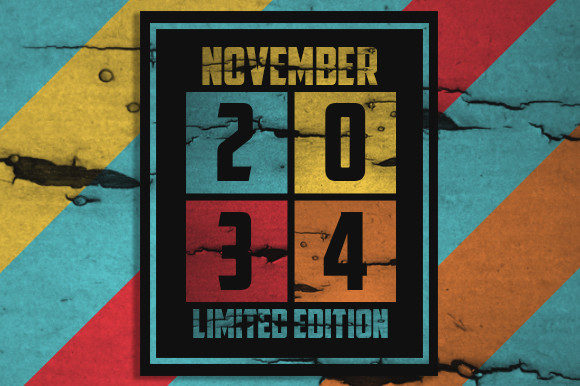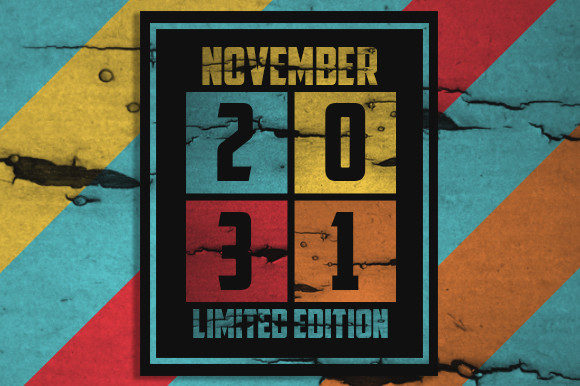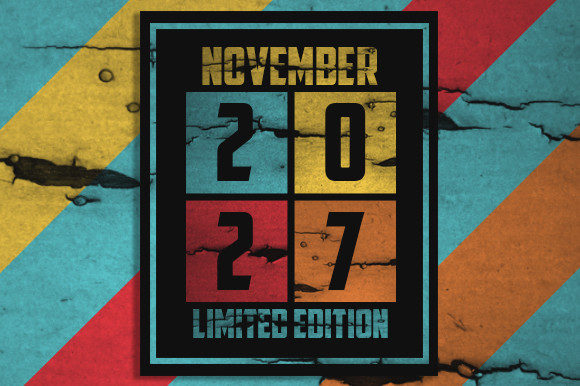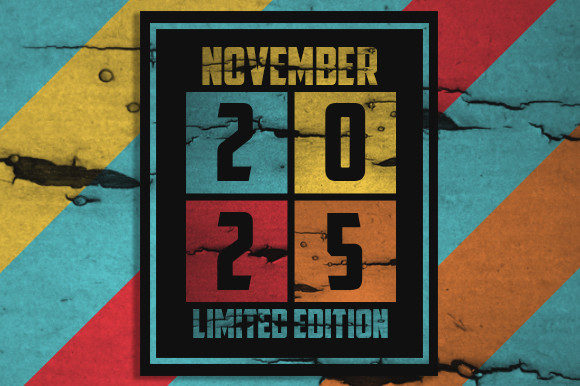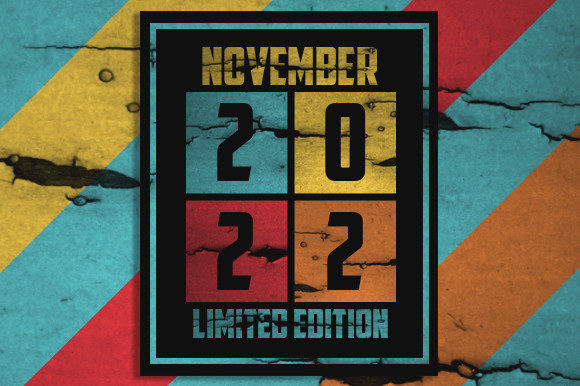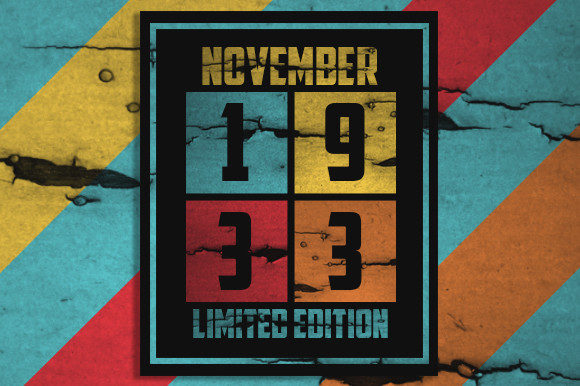
Retro November 1933 Limited Edition
As a designer and embroidery product reviewer, I’ve seen my fair share of digital files that promise a lot but deliver little. Retro November 1933 Limited Edition is one that stands out for its nostalgic charm and potential in real-world projects. But like any design, it’s not without its considerations. Here’s what I found after testing it in practical scenarios.
The First Impression: Nostalgia Meets Simplicity
Retro November 1933 Limited Edition immediately evokes a sense of vintage storytelling. The design features a clean, stylized layout with a strong visual personality that leans into the aesthetics of the 1930s. It’s not overly detailed, which makes it versatile but also means it requires thoughtful placement to avoid looking lost on certain fabrics or project types.
The theme feels best suited for items that lean into retro or vintage themes—think handmade tote bags, baby onesies, or holiday-themed aprons. Its high-resolution PNG file ensures clarity when printed or used in mockups, making it a solid choice for digital product previews or printable design assets.
Real-World Embroidery Performance
When I tested Retro November 1933 Limited Edition on a custom embroidered tote bag, it held up well. The design’s simplicity allowed for clear stitching without too much complexity. However, I noticed that the detail level is best suited for medium to large hoop sizes. Smaller hoops might struggle with the overall scale, especially if the design includes intricate elements.
On textured fabrics like cotton canvas or denim, the design maintained its shape and contrast. But on thin or stretchy materials, such as a lightweight t-shirt or a stretchy sweatshirt, the stitches could appear slightly off or less defined. This is where proper stabilizer use becomes critical to ensure the design stays sharp and doesn’t distort during the embroidery process.
The design also works well on dark fabrics, provided the thread color contrasts enough. A light-colored thread on a black background would make the design pop, while a darker thread might blend in too much. Testing on scrap fabric before committing to a final project is always a good idea.
Where to Use It Carefully
While Retro November 1933 Limited Edition has a lot to offer, there are a few situations where caution is needed. On curved surfaces like caps or hats, the design may require some adjustment to fit properly. Tiny lettering or detailed corners could become problematic if the stitch density is too high or the hoop size is too small.
If you’re planning to use this design on a layered garment or a product that will see frequent washing, consider how the stitches will hold up over time. Dense stitch areas might cause the fabric to pucker or the design to lose its crispness. For commercial embroidery projects, it’s essential to confirm the licensing terms before selling finished items or digital products.
Impact on Visual Appeal and Customer Trust
Retro November 1933 Limited Edition has a strong visual appeal that can elevate a handmade product or personalized gift. Its retro vibe adds character and can make a product stand out in a crowded market. For Etsy sellers or small shop owners, this design could be a great addition to a vintage-themed collection.
When used correctly, it enhances the professionalism of an embroidery project. Customers often look for unique, well-crafted designs, and this one delivers on that front. However, poor execution—like incorrect thread colors or improper stabilizer use—can detract from the overall quality and customer satisfaction.
Practical Designer Notes
Before using Retro November 1933 Limited Edition in a client project or for sale, here are a few key steps to take:
- Test on scrap fabric: Always check how the design looks on the actual material you plan to use.
- Check thread color contrast: Ensure the chosen thread color complements the fabric and highlights the design.
- Review stitch density: Adjust as needed to prevent puckering or distortion on delicate fabrics.
- Confirm hoop size: Make sure the design fits comfortably in your machine’s hoop dimensions.
- Inspect small details: Pay attention to corners, lines, and any tiny elements that might get lost during stitching.
- Test in black and white mockups: See how the design looks without color to better understand its structure.
- Compare on light and dark backgrounds: Ensure visibility and clarity across different fabric types.
- Use proper stabilizer: Especially important for thin or stretchy materials to maintain stitch integrity.
- Verify licensing: Confirm whether the design is suitable for both personal and commercial use.
Best Fit for Projects
Retro November 1933 Limited Edition shines in projects that benefit from a vintage aesthetic. It’s ideal for custom apparel, embroidered patches, and holiday gifts. As a digital embroidery file, it can also be used in printable mockups or as part of a craft business’s design assets.
For small shop merchandise or boutique branding, this design offers a unique touch that can help differentiate your offerings. Whether you’re creating personalized gifts or expanding your inventory, it’s worth considering for its nostalgic appeal and versatility.
Final Thoughts
Retro November 1933 Limited Edition is a design that brings a sense of history and charm to modern embroidery projects. It’s not perfect for every situation, but with the right approach, it can add value to a wide range of handmade products and commercial applications.
As a designer, I appreciate the balance between style and functionality in this piece. It’s a great example of how a well-thought-out machine embroidery design can enhance a project without overwhelming it. If you’re looking for something that feels authentic and adaptable, this one is definitely worth exploring.