Retro November 1930 Limited Edition
As a designer and embroidery product reviewer, I’ve seen my fair share of digital files. But when I came across the Retro November 1930 Limited Edition, I knew it had potential. It’s not just another design—it’s a piece of history wrapped in a modern digital file. Let me walk you through how this design holds up in real-world use, what it’s best suited for, and where it might fall short.
The First Impression: A Nostalgic Visual Statement
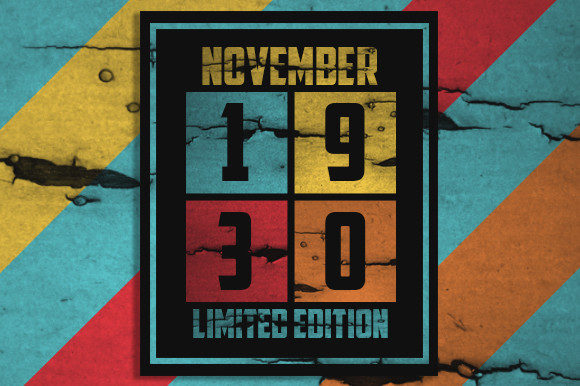
The Retro November 1930 Limited Edition immediately evokes a sense of timelessness. The design features a vintage aesthetic with clean lines, subtle textures, and a muted color palette that feels authentic to the era. It’s not overly complex, but it has enough detail to stand out without overwhelming the eye. The layout is balanced, making it versatile for different applications.
This isn’t a design meant for bold, modern statements. It’s more about subtlety and character. If you’re looking for something that feels handcrafted, this could be a perfect fit. The transparency in the background also makes it easy to integrate into various projects without worrying about unwanted color clashes.
Real-World Embroidery Use Cases
When I first considered using the Retro November 1930 Limited Edition, I imagined a custom embroidered tote bag for a boutique shop. The design’s simplicity and vintage feel would pair well with organic cotton or canvas. It also works well on sweatshirts, especially for seasonal or themed collections.
For baby items, like onesies or blankets, the design adds a touch of elegance without being too intricate. It could also serve as an embroidered patch for jackets or bags, giving a retro flair to outerwear. On a pillow cover or kitchen towel, it brings a warm, nostalgic vibe that customers might find appealing.
One thing to note is that the design’s visual appeal depends heavily on the fabric and thread choices. A high-quality cotton or linen will showcase the details better than a synthetic material. And while it’s great for handmade products, it also has the potential to work in commercial embroidery projects if the scale allows.
Where It Shines: Custom Apparel and Personalized Gifts
The Retro November 1930 Limited Edition excels in custom apparel and personalized gifts. Whether it’s a holiday sweater, a birthday shirt, or a wedding gift, the design offers a classic look that resonates with many people. Its clean lines make it suitable for both men and women, and its neutral tones allow for easy pairing with other elements.
As an Etsy seller, I can see this design being a hit for small shop merchandise. It’s perfect for printable mockups, digital product previews, and even as part of a larger collection. The transparent background gives flexibility for branding or adding text later.
It also works well for craft fairs and handmade markets. Customers often gravitate toward designs that feel unique and personal, and this one definitely fits that bill. The key is to present it in a way that highlights its retro charm and craftsmanship.
Where to Be Cautious: Fabric and Design Limitations
While the Retro November 1930 Limited Edition is visually appealing, there are some situations where it might not perform as well. For instance, on textured fabrics or thin materials, the design could lose some of its clarity. Stretchy or dark fabrics may also affect how the colors show up, especially if the thread contrast isn’t right.
If you’re planning to use it on curved surfaces like caps or hats, you’ll need to ensure the hoop size is appropriate. Smaller hoops can limit how much of the design you can stitch at once, which might lead to inconsistencies. Also, the design’s detailed corners and tiny lettering could be challenging on certain fabrics or with lower-quality embroidery machines.
Another consideration is stitch density. If the design is too dense, it might cause puckering or distortion, especially on delicate materials. Always test it on scrap fabric before committing to a full project.
Design Notes for Embroidery Professionals
Here are a few practical tips I’ve gathered from testing similar designs:
- Test on scrap fabric first to see how the design looks and behaves on your specific materials.
- Check thread color contrast to ensure the design stands out against the fabric.
- Review stitch density to avoid issues with puckering or distortion.
- Confirm hoop size to ensure the entire design fits comfortably.
- Inspect small details to make sure they translate well in embroidery.
- Test in black and white mockups to see how the design appears without color.
- Compare light and dark fabric backgrounds to ensure visibility and clarity.
- Use proper stabilizer to prevent shifting or distortion during stitching.
- Check licensing before selling finished items or digital products.
Final Thoughts: A Vintage Design with Practical Value
The Retro November 1930 Limited Edition is a solid choice for designers looking to add a touch of nostalgia to their work. It’s versatile enough for custom apparel, personalized gifts, and small business merchandise, but it requires careful consideration when it comes to fabric, thread, and hoop size.
If you’re an embroidery designer, Etsy seller, or small shop owner, this design could be a valuable addition to your portfolio. Just remember to test it thoroughly and choose the right materials to bring out its full potential. With the right approach, the Retro November 1930 Limited Edition can become a standout piece in your collection.