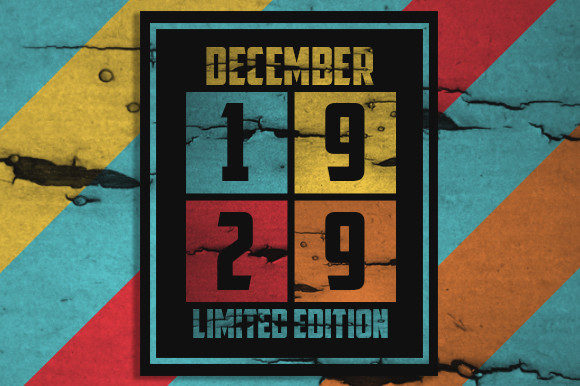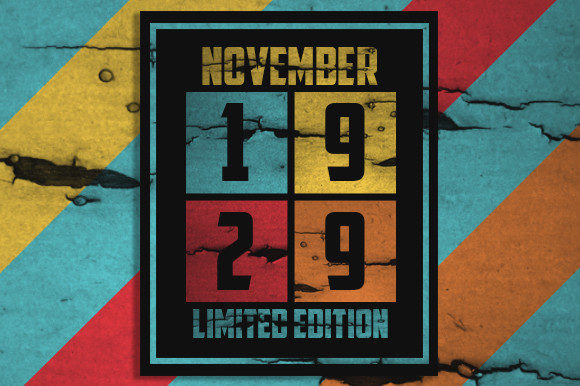
Retro November 1929 Limited Edition
As a designer and embroidery product reviewer, I’ve seen my fair share of digital files that promise a lot but deliver little. The Retro November 1929 Limited Edition is one that caught my eye for its nostalgic aesthetic and potential in real-world projects. Let’s break down what this design offers and how it might fit into your craft business or personal embroidery work.
The First Impression: A Nostalgic Visual Statement
The Retro November 1929 Limited Edition immediately evokes a sense of vintage charm. Its layout is clean, with a strong central motif that feels like it could have been pulled from a 1920s poster or advertising piece. The design’s theme is subtle yet striking—perfect for those who want to infuse a bit of old-world elegance into their handmade products.
The level of detail is moderate, which means it’s not overly complex but still has enough intricacy to stand out. It’s ideal for projects where the design needs to be visible without overwhelming the fabric or the overall look of the item. This makes it a good fit for custom apparel, tote bags, and even baby items where simplicity and clarity are key.
Real-Life Embroidery Performance
When considering how Retro November 1929 Limited Edition performs in real-life embroidery situations, it’s important to think about the types of projects it would excel in. For instance, if you’re working on a custom sweatshirt or tote bag design, this file could add a unique touch that stands out in a crowd. Its high-resolution PNG format ensures that the design looks sharp when printed or stitched.
However, there are some considerations. The design may not be ideal for small hoop sizes, as the details could get lost or require multiple hooping. If you’re planning to use it on textured fabrics or thin materials, you’ll need to test it first to ensure the stitch density is appropriate. For stretchy or dark fabrics, careful attention to thread color contrast will be essential to maintain visibility and visual appeal.
Where to Use It Carefully
While the Retro November 1929 Limited Edition is versatile, there are certain scenarios where it might not perform as well. On curved surfaces like caps or hats, the design could appear distorted if not properly adjusted. Similarly, if you’re working on a project with tiny lettering or intricate corners, you’ll need to review the file closely before stitching.
Dense stitch areas can also be a concern. If the design is too filled in, it might cause the fabric to pucker or the stitches to look uneven. For this reason, it’s always a good idea to test the design on scrap fabric before committing to a final product. This is especially true for commercial embroidery projects where consistency and quality are crucial.
Impact on Visual Appeal and Customer Perception
The Retro November 1929 Limited Edition has the potential to elevate the visual appeal of any finished product. Its retro style adds a layer of uniqueness that can make a handmade product or personalized gift stand out. When used effectively, it can enhance the perceived value of your work, making customers more likely to engage with your brand or shop.
For small business owners and Etsy sellers, this design could be a valuable addition to your product line. It’s perfect for holiday gifts, boutique merchandise, or printable mockups that showcase your creative vision. However, it’s important to ensure that the design aligns with your brand’s overall aesthetic and messaging.
Practical Designer Notes
Before using the Retro November 1929 Limited Edition in any project, I recommend testing it on different fabric types and colors. This will help you determine how well it translates to real-world conditions. Pay close attention to the stitch density and make sure it’s suitable for the type of garment or item you’re working on.
Using the right stabilizer is also crucial, especially when working with delicate or stretchy fabrics. Proper stabilization can prevent puckering and ensure that the design remains crisp and clear. Additionally, if you plan to sell finished items or digital products featuring this design, be sure to check the licensing terms to avoid any legal issues.
Finally, consider how the design will look in both black and white and color. This can affect how it appears in mockups, listings, or promotional materials. By taking these steps, you can maximize the effectiveness of the Retro November 1929 Limited Edition in your embroidery projects.