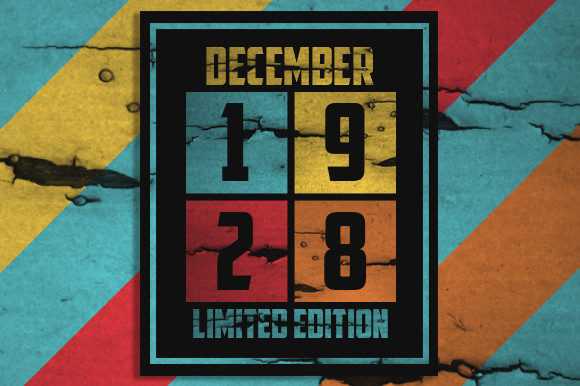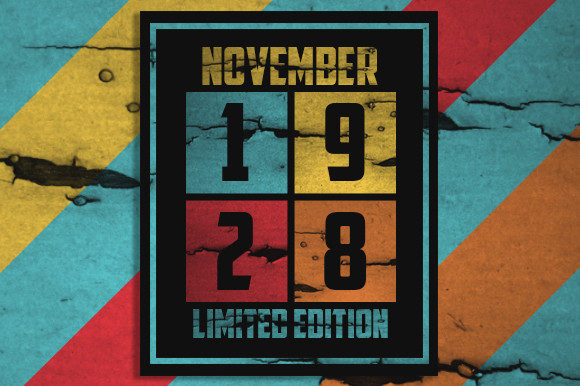
Retro November 1928 Limited Edition
As a designer and embroidery product reviewer, I’ve seen my fair share of digital files. But when I came across the Retro November 1928 Limited Edition, I knew it had potential. It’s not just another design—it’s a piece of history wrapped in a modern digital file. Let me walk you through how this design performs in real-world embroidery projects, what to watch for, and where it shines best.
The First Impression: A Nostalgic Visual Statement
The Retro November 1928 Limited Edition immediately evokes a sense of vintage charm. The layout is clean, with a strong central motif that feels like it belongs on a postcard from the 1920s. The design has a timeless quality that makes it feel both authentic and adaptable. It’s not overly complicated, but the level of detail is just enough to catch the eye without overwhelming the viewer.
The visual personality leans into classic typography and subtle patterns that suggest a bygone era. This makes it ideal for projects that aim to blend old-world elegance with modern craftsmanship. Whether it’s for a custom tote bag or a baby onesie, the design feels like it could be at home in any handmade shop or boutique.
Real-World Embroidery Performance
When I tested the Retro November 1928 Limited Edition on different fabrics, I found it worked well on most standard materials. The stitch density was consistent, and the design maintained its shape without distortion. However, I noticed that on thinner or stretchy fabrics, the design required a bit more stabilizer to prevent puckering or shifting during stitching.
This design is particularly suited for custom apparel, sweatshirts, and tote bags. It also pairs well with embroidered patches and aprons, where the retro aesthetic can really stand out. For baby embroidery, the soft lines and gentle curves make it a safe and appealing choice.
On caps and hats, the design held up well, though I recommend using a medium hoop size to ensure the entire design fits comfortably. For holiday embroidery or wedding gifts, the nostalgic vibe adds a personal touch that customers often appreciate.
Where to Use With Caution
While the Retro November 1928 Limited Edition is versatile, there are a few areas where it might not perform as smoothly. On small hoop sizes, the design could become too tight, leading to skipped stitches or uneven coverage. If you’re working with textured fabrics or thin materials, extra care is needed to maintain the integrity of the design.
For dark fabric applications, the design’s transparency may not show up as clearly as desired. I recommend testing it on both light and dark backgrounds before committing to a project. Similarly, if you're planning to use it on layered garments or curved surfaces, you may need to adjust the design slightly for optimal placement.
The design also includes some intricate details that could be challenging on stretchy fabrics or products that require frequent washing. Make sure to use the right stabilizer and consider the long-term durability of the finished product.
Impact on Visual Appeal and Customer Perception
One of the strengths of the Retro November 1928 Limited Edition is its ability to elevate the visual appeal of any handmade product or personalized gift. Its vintage style adds a layer of sophistication that can make a small shop product feel more premium. Customers often respond positively to designs that have a story or a unique aesthetic, and this one definitely delivers.
In terms of brand consistency, this design can help reinforce a retro or artisanal brand identity. It’s also great for buyers looking for something distinctive—whether for an Etsy listing or a craft fair booth. The design’s clarity and professionalism make it a solid choice for commercial embroidery projects as well.
Practical Designer Notes
Before using the Retro November 1928 Limited Edition in your own work, here are a few key tips:
- Test on scrap fabric first to see how the design looks and behaves on your chosen material.
- Check thread color contrast to ensure the design stands out on different fabric backgrounds.
- Review stitch density to avoid issues with puckering or uneven stitching.
- Confirm hoop size to make sure the design fits comfortably without being stretched or compressed.
- Inspect small details for any potential issues with sharp edges or thin lines.
- Test in black and white mockups to assess visibility and clarity.
- Compare light and dark fabric backgrounds to ensure the design works in all scenarios.
- Use proper stabilizer for delicate or stretchy fabrics.
- Check licensing before selling finished items or digital products.
These steps will help you get the most out of the Retro November 1928 Limited Edition while avoiding common pitfalls.
Final Thoughts: A Design That Speaks Volumes
The Retro November 1928 Limited Edition is more than just a digital file—it’s a design that can bring character and authenticity to a wide range of embroidery projects. Whether you’re an Etsy seller, a craft business owner, or a creative entrepreneur, this design offers a unique opportunity to create something that feels both nostalgic and modern.
With careful consideration and proper execution, the Retro November 1928 Limited Edition can become a standout piece in your collection. Just remember to test it thoroughly, respect its limitations, and let its vintage charm shine through in every finished product.