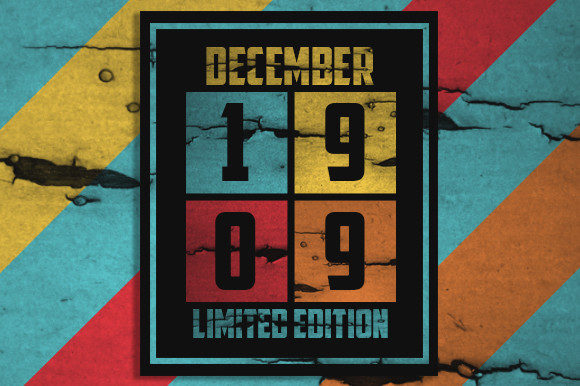
Retro November 1909 Limited Edition
As a designer and embroidery product reviewer, I’ve seen my fair share of digital files that promise the world but deliver little. The Retro November 1909 Limited Edition is one that caught my eye for its nostalgic aesthetic and potential in real-world projects. Let’s break down what this design offers and how it might fit into your craft business or personal embroidery work.
The First Impression: A Nostalgic Visual Statement
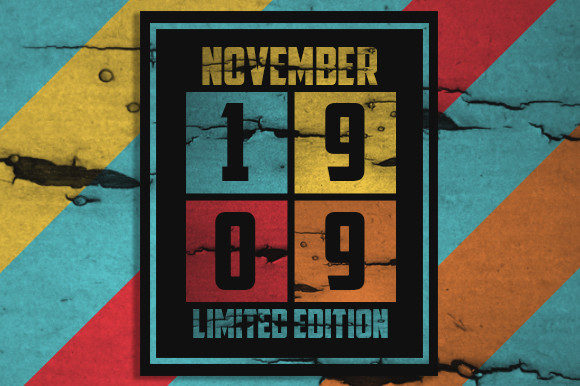
The Retro November 1909 Limited Edition immediately evokes a sense of vintage charm. Its layout is clean, with a strong central motif that feels like it could have been pulled from a bygone era. The design elements are balanced, with subtle details that suggest a handcrafted feel without being overly intricate. This makes it ideal for projects where a touch of history or elegance is desired.
The theme is timeless, which means it can work across multiple seasons and occasions. Whether you’re creating holiday gifts, personalized items, or boutique merchandise, this design has the versatility to adapt. The visual personality leans toward classic craftsmanship, making it a great fit for handmade products that aim to stand out in a crowded market.
Real-World Embroidery Performance
When considering how Retro November 1909 Limited Edition performs in real-life embroidery situations, there are several factors to keep in mind. For custom apparel like sweatshirts, t-shirts, or tote bags, the design holds up well. The stitch density is moderate, which means it should work on most standard hoop sizes without requiring excessive time or effort.
However, if you're working with smaller hoop sizes or textured fabrics, you may need to adjust your approach. The design includes some detailed corners and small elements that could be lost on thin or stretchy materials. It’s also important to consider the fabric color—while the transparent background allows for flexibility, the design may not show up as clearly on dark fabrics unless you use contrasting thread colors.
This design is especially suited for embroidered patches, aprons, and pillow covers. Its size and detail level make it a good candidate for these types of projects, where the design can be the focal point without overwhelming the item. For baby clothes or nursery decor, the retro vibe adds a unique touch that can be both functional and decorative.
Where to Use It Carefully
While the Retro November 1909 Limited Edition is versatile, there are certain scenarios where caution is advised. If you're planning to use it on curved surfaces like caps or on garments with layered fabrics, you may need to adjust the placement or simplify parts of the design. The design’s complexity could lead to issues with stitching clarity on these types of surfaces.
For products that require frequent washing, such as tea towels or kitchen linens, it’s wise to test the design on a scrap piece first. The stitch density and stabilizer use will play a big role in how well the design holds up over time. Additionally, if you're working with tiny lettering or dense stitch areas, you may need to adjust the design to ensure it remains legible and visually appealing after stitching.
Impact on Visual Appeal and Customer Perception
The Retro November 1909 Limited Edition has a strong visual appeal that can elevate the perceived value of any finished product. Its vintage look adds a layer of authenticity that customers often appreciate, especially when it comes to handmade or personalized gifts. This can translate into higher customer trust and better engagement, particularly for Etsy sellers or small shop owners looking to differentiate their offerings.
From a branding perspective, this design can help maintain consistency across a product line. Its classic style aligns well with brands that want to convey tradition, quality, or nostalgia. For commercial embroidery projects, the design offers a professional look that can enhance the overall presentation of your work.
Practical Designer Notes
Before jumping into using the Retro November 1909 Limited Edition in your projects, here are a few practical tips to keep in mind:
- Test on scrap fabric first to ensure the design works with your chosen materials and stitching settings.
- Check thread color contrast to make sure the design stands out on different fabric backgrounds.
- Review stitch density to avoid issues with fabric puckering or uneven stitching.
- Confirm hoop size to ensure the design fits within your machine’s capabilities.
- Inspect small details to make sure they remain clear and intact after stitching.
- Test in black and white mockups to see how the design looks without color.
- Compare light and dark fabric backgrounds to determine the best application.
- Use proper stabilizer to prevent distortion, especially on stretchy or thin fabrics.
- Confirm licensing before selling finished items or digital products to avoid legal issues.
By taking these steps, you’ll be better equipped to use the Retro November 1909 Limited Edition effectively in your embroidery projects, whether for personal use or commercial purposes.
Final Thoughts: A Design Worth Considering
The Retro November 1909 Limited Edition is a solid choice for designers and crafters looking for a vintage-inspired embroidery file that can be used in a variety of projects. Its clean layout, nostalgic aesthetic, and adaptability make it a valuable addition to any digital design library.
Whether you're creating custom apparel, personalized gifts, or small shop merchandise, this design has the potential to add character and appeal to your work. Just remember to test it thoroughly and consider the specific requirements of your project before finalizing your use of the design.